
If you’re planning to try Korean BBQ at home, you might be wondering: What meats should you buy, and where should you get them? Choosing the right cuts can feel overwhelming, but don’t worry—this guide will help you get started.
In this guide, we’ll walk you through the best pork, beef, and chicken cuts for Korean BBQ, as well as grilling-friendly vegetables, dipping sauces, and wrapping greens. We’ll also share beginner tips to ensure a smooth experience.
If it’s your first time, don’t worry—we’ll keep things simple and beginner-friendly. By the end, you’ll know exactly what to look for at your local grocery store or Asian market.
- What Makes Korean BBQ Meats Unique?
- The Most Popular Pork Cuts for Korean BBQ
- The Best Beef Cuts for Korean BBQ
- Don’t Forget Chicken
- Grilling-Friendly Foods to Try with Korean BBQ
- Essential Korean BBQ Sauce
- Other Vegetables to Serve with Sauces
- Korean BBQ Side Dishes to Try
- Tips for Your First Korean BBQ
- Conclusion
- FAQs About Korean BBQ Meats
What Makes Korean BBQ Meats Unique?
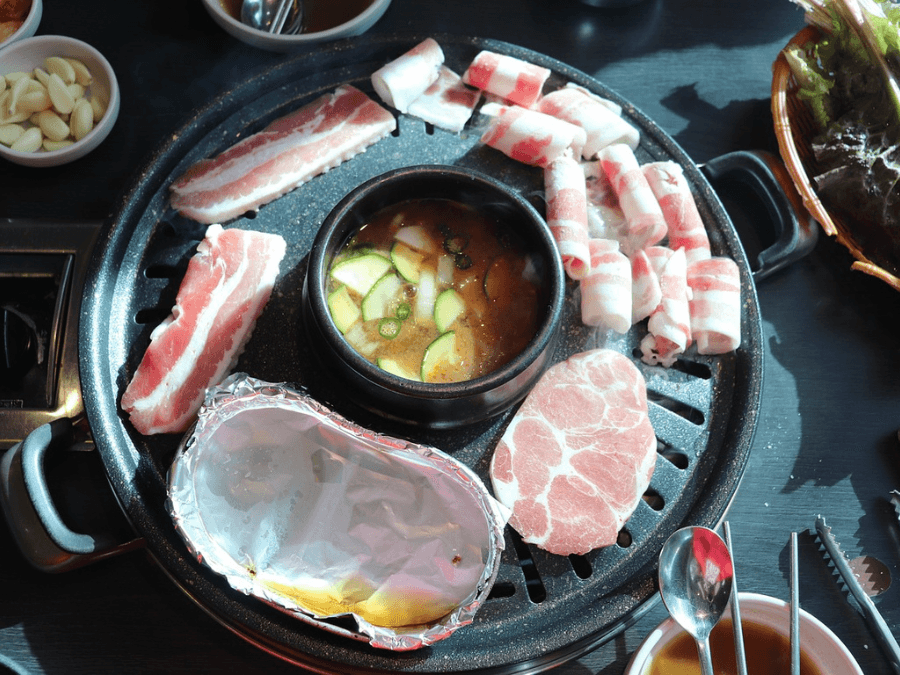
Korean BBQ meats differ in several key ways from the cuts you’d typically find at your local grocery store.
For one, Korean BBQ often features cuts that are pre-sliced thinner than what’s standard in Western cooking.
This allows for quicker cooking times, perfect for grilling at the table and eating right away.
How Korean Cuts Differ from Western Cuts
Thinner Slices
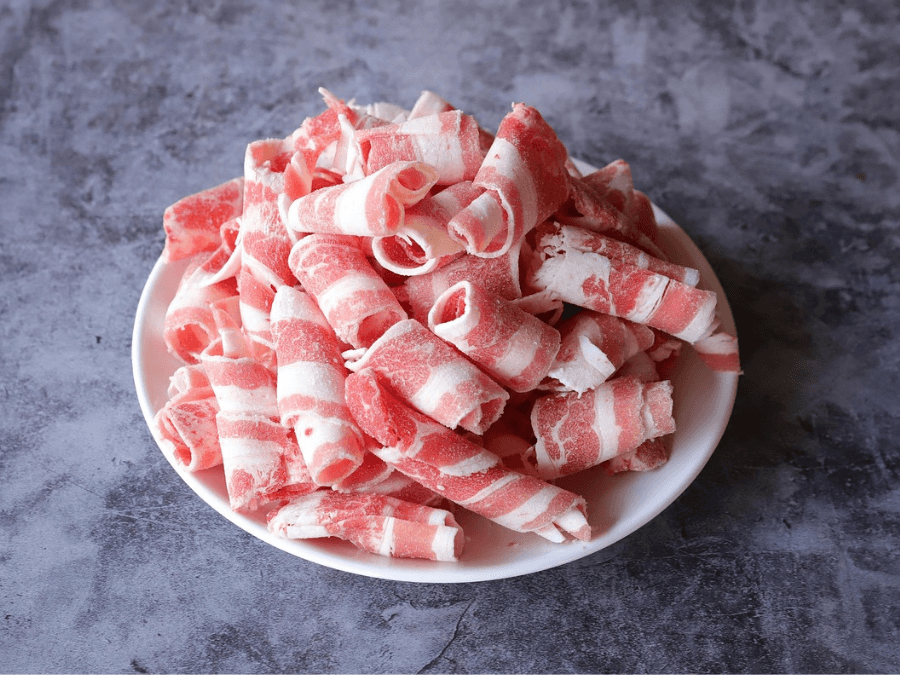
In traditional Western cuisine, cuts like sirloin or pork loin might be served as a thick steak. Korean BBQ, on the other hand, relies on thinly sliced meet such as beef brisket (chadolbaegi) or pork belly (samgyeopsal).
This difference not only shortens cooking time but also makes it easier to wrap these cuts with lettuce or perilla leaves, adding another layer of flavor.
Marbling and Fat Content
Western-style steaks often focus on leaner cuts or well-marbled sections like ribeye for bold flavors.
Korean BBQ typically embraces fattier cuts such as pork belly or short ribs, which render beautifully on the grill and contribute to the dish’s iconic, savory richness.
Unique Preparation Methods
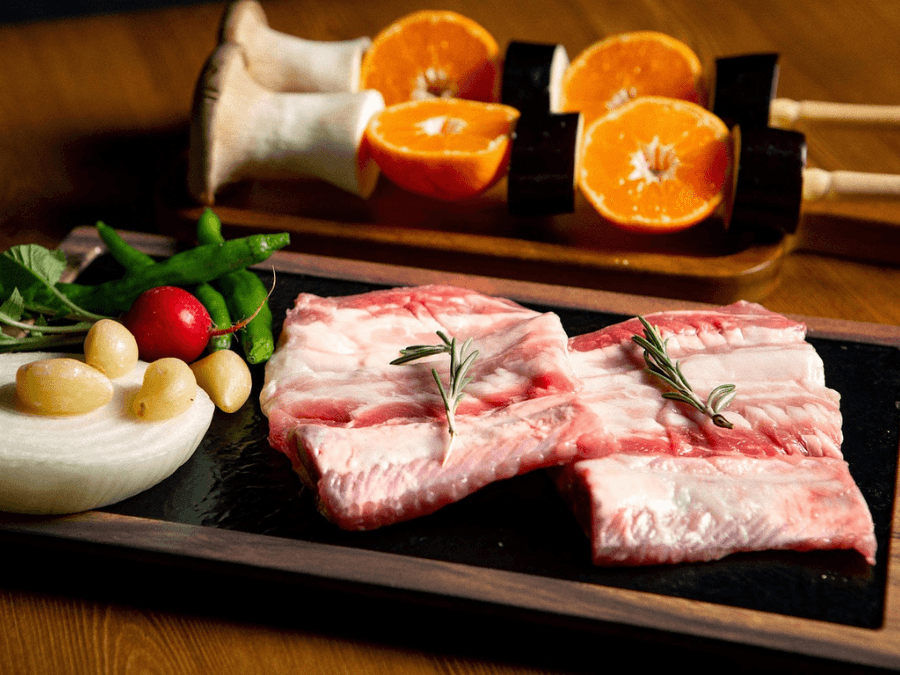
Korean cuts sometimes include bones for added flavor (as seen in galbi, or short ribs) or are scored for more even cooking, chewier texture, and better sauce absorption.
These methods are less common in Western preparations, making the Korean approach distinct and flavorful.
By understanding these differences, you’ll get a clearer sense of how Korean BBQ stands out. This knowledge will help you pick the right cuts of meat and fully enjoy the unique flavors and cooking techniques that make Korean barbecue so special.
What are the best sources for Korean-style cuts of meat?

Roughly a decade ago, finding thinly sliced meat in the U.S. was a challenge, but now it’s much easier. Local grocery stores often carry shaved beef for bulgogi, and you can even pick up pork belly at Costco or Whole Foods.
However, it’s still difficult to find pre-sliced Korean-style cuts specifically prepared for grilling.
That said, Korean and Asian markets like H Mart usually have these options readily available, and online shopping has become incredibly convenient.
Since there isn’t a nearby Korean market where I live, I often buy meat in bulk from Costco and slice it myself, or I order pre-sliced cuts through services like Weee. I’ll cover the details below.
Now let’s take a closer look at the recommended cuts of pork, beef, and chicken for Korean BBQ.
The Most Popular Pork Cuts for Korean BBQ
Pork is a cornerstone of Korean BBQ, beloved for its rich flavors and versatility. The most common cuts include:
1. Pork Belly (Samgyeopsal)
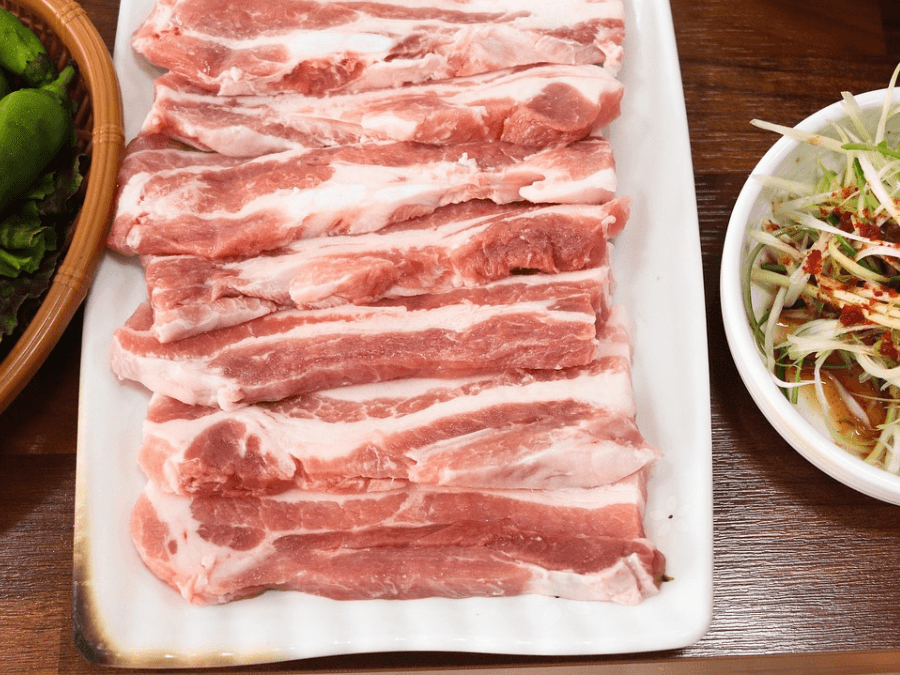
Pork belly is undoubtedly a staple of Korean BBQ. Some even say that all the world’s pork belly eventually ends up in Korea!
Are you a bacon fan? I actually love bacon, but I prefer Korean-style pork belly even more.
In fact, my American husband’s all-time favorite dish is grilled pork belly. Once you try Korean-style pork belly barbecue, you might find yourself wondering why you’d settle for bacon again.
Why It’s Popular
Known for its layers of fat and lean meat, pork belly grills beautifully, becoming tender and flavorful. Some people love it for its tender texture, while others enjoy grilling it to a crispy perfection for that satisfying crunch.
Where to Buy Pork Belly

- Costco: You can buy pork belly at Costco, and while it’s sold in large quantities at a budget-friendly price, it usually needs to be sliced thinly at home using a knife or slicer.
- Whole Foods: Whole Foods’ butcher section offers pork belly as well. It’s generally pricier than Costco, but the quality is excellent.
- Asian Markets: If you’re near an Asian grocery store like H Mart, you’ll often find thinly sliced, Korean-style pork belly ready for grilling.
- Weee: When our family moved to the East Coast in 2023, we didn’t have easy access to local Asian grocery stores. We began using the online grocery service Weee to order pre-cut, grill-ready meats. The quality is reliable, and the prices are reasonable, making it a go-to option for us.
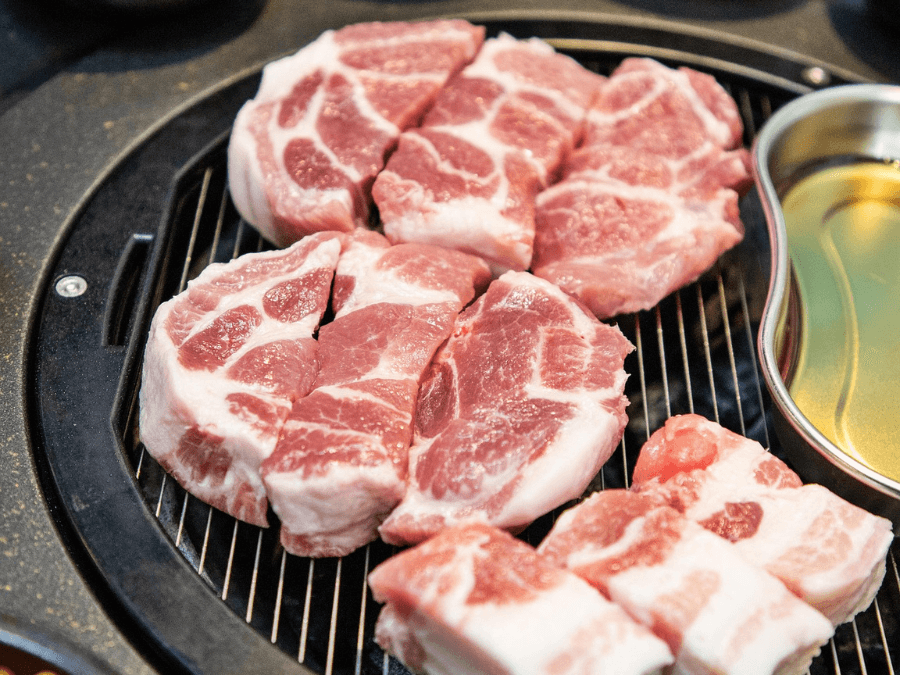
2. Boston Butt / Pork Shoulder (Moksal)
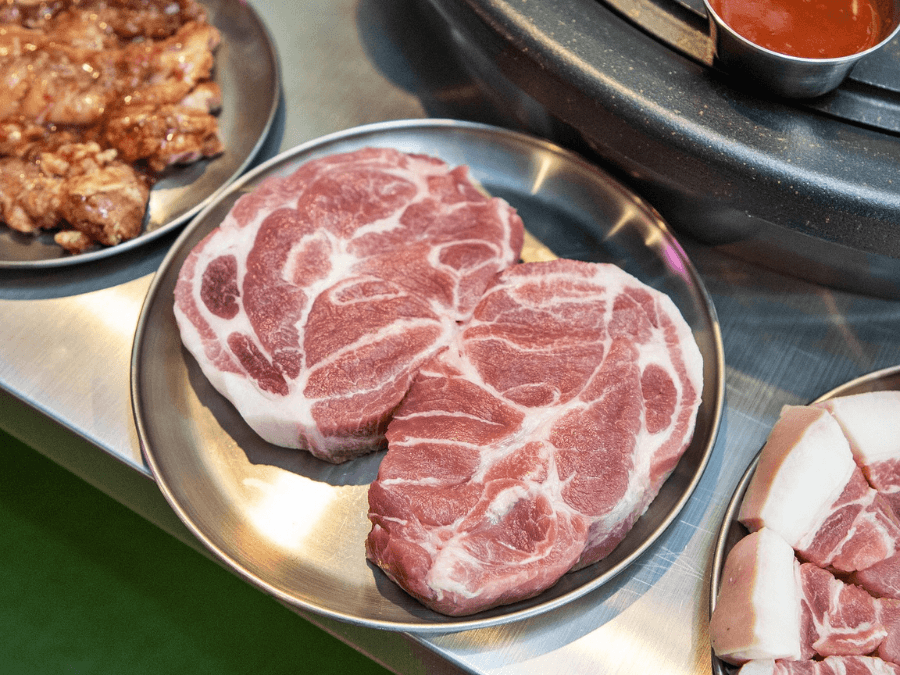
Pork shoulder is the next most common cut used for grilling after pork belly. Compared to pork belly, it’s less fatty, but still flavorful and tender.
Why It’s Popular
This versatile, leaner cut is prized for its tender texture and rich flavor. It’s widely used in Korean BBQ for its hearty and satisfying taste. In Korea, people who don’t enjoy the fat from pork belly often choose pork shoulder instead.
Where to Buy Pork Shoulder
Fortunately, pork shoulder is widely available at most grocery stores, including local supermarkets. While it’s commonly sold in larger cuts, it’s easy to portion and prepare yourself at home.
If you prefer pre-sliced cuts, you might want to check your local butcher or specialty Asian markets for convenience.
Why Pork Chop and Pork Loin Aren’t Ideal for Korean BBQ
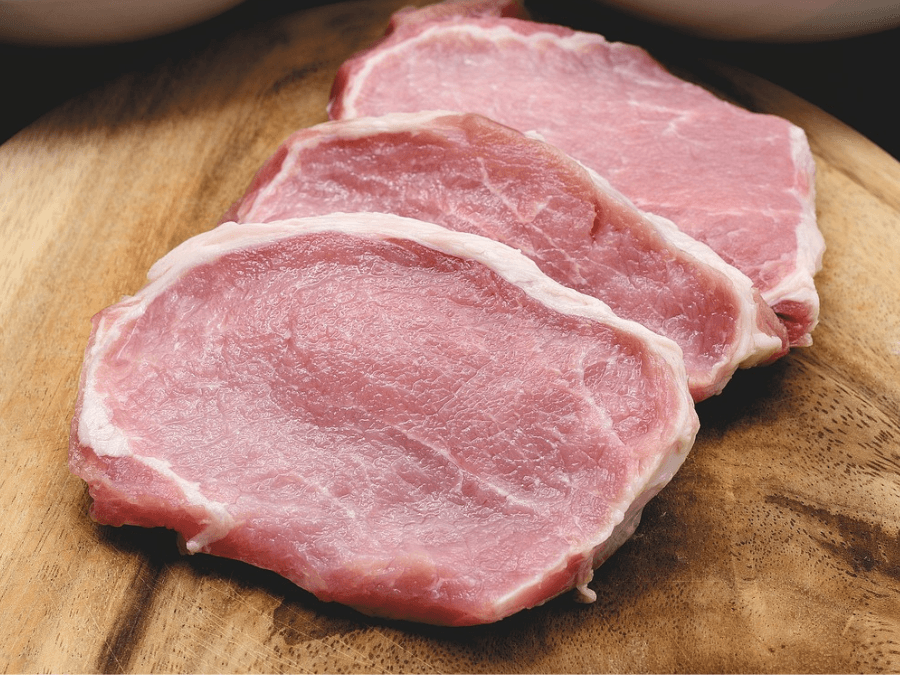
While lean cuts like pork chop and loin may initially seem like a healthier option due to their lower fat content, they tend to be less favored for Korean BBQ.
The main reason is their dryness and comparatively tougher texture, which can make the overall eating experience less enjoyable.
Unlike pork belly or shoulder, which offer a rich, juicy flavor and tender bite, these leaner cuts often fall short in both taste and texture. While they might be suitable for certain low-fat recipes, they don’t deliver the same mouthwatering results that make Korean BBQ so memorable.
For that reason, I usually steer clear of recommending them for this grilling style.
The Best Beef Cuts for Korean BBQ
Beef is the showstopper of many Korean BBQ feasts. Some of the most common and well-loved cuts include:
1. Beef Brisket (Chadolbaegi)
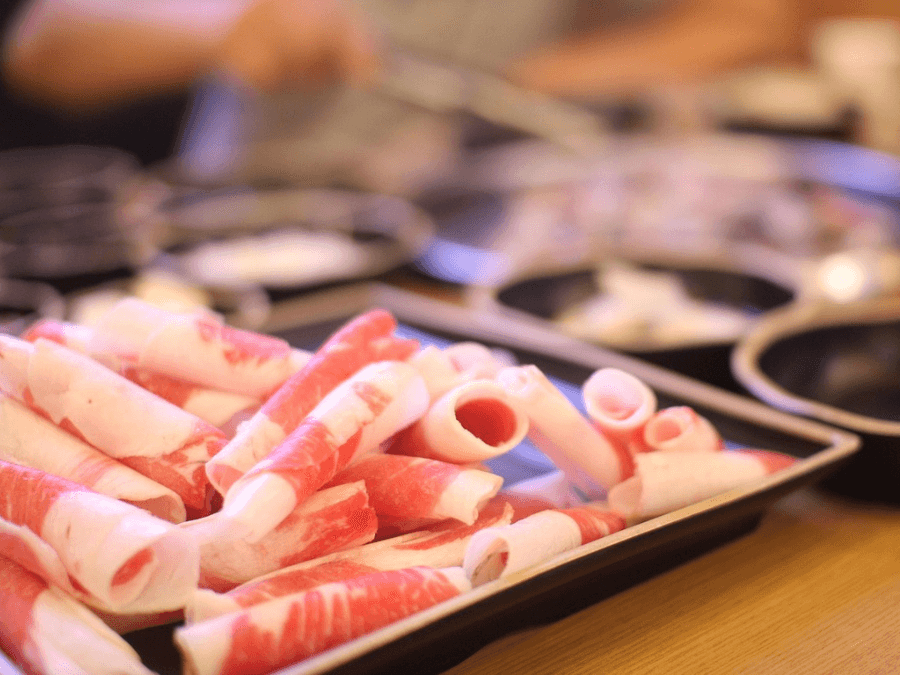
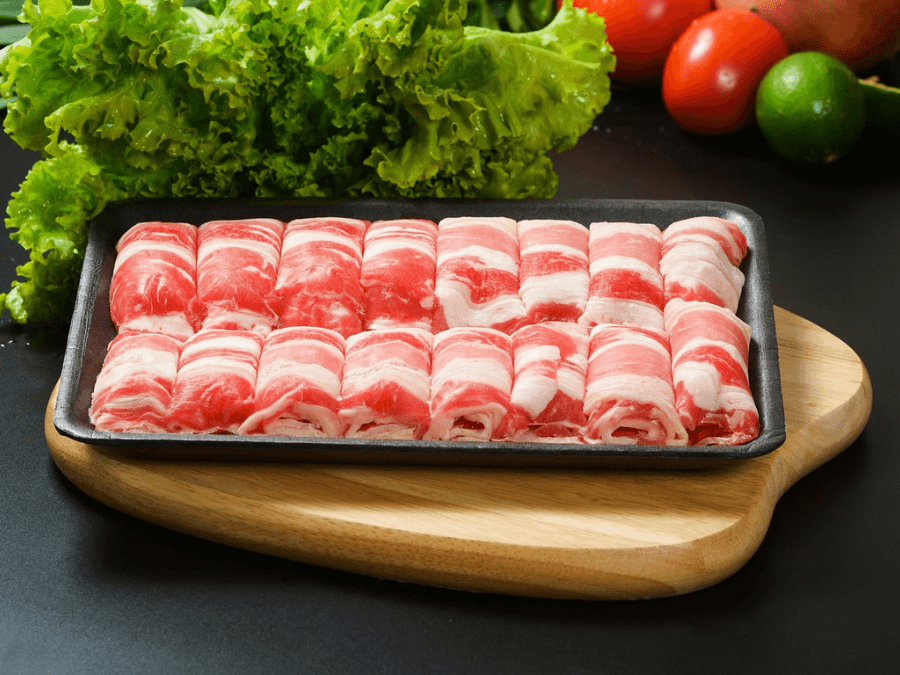
Beef brisket is one of the most popular Korean BBQ cuts. It’s typically sold in thin slices, often rolled into convenient portions. Once it hits the grill, it melts down quickly and cooks in no time. For those who are hungry and don’t want to wait, it’s the perfect choice.
Why It’s Popular
Thinly sliced and quick to cook, brisket offers a tender texture and light beefy flavor.
Where to Buy Brisket
Although you can easily find thinly sliced brisket at Asian markets, I was thrilled to recently discover a frozen shabu-shabu/grill-ready version at Costco! If you don’t have an Asian market nearby, head to Costco. If Costco isn’t an option, you can always order online or buy a brisket from your local store and slice it yourself.
2. Short Ribs (Galbi)
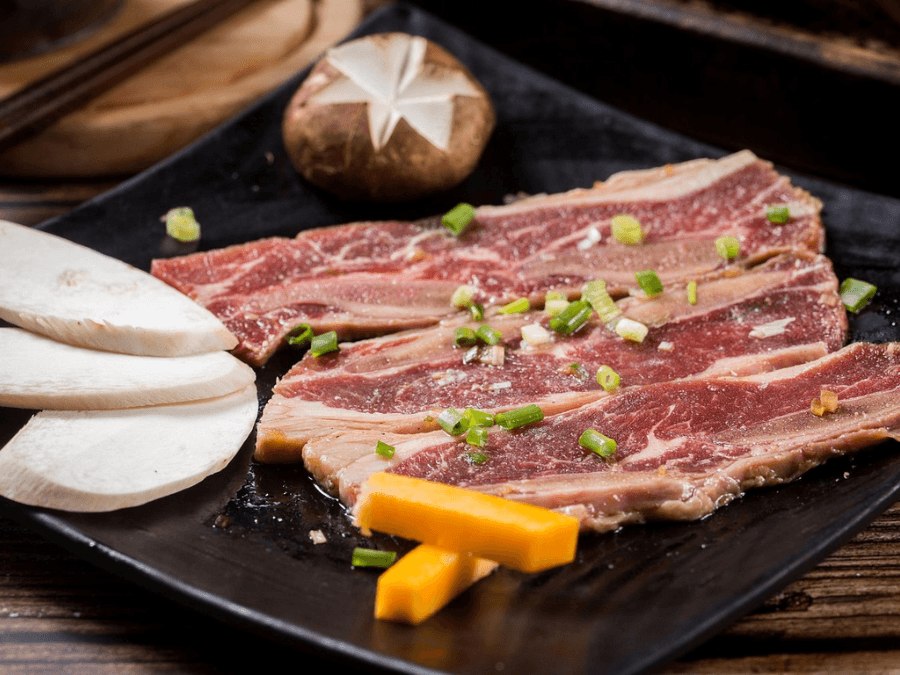
Short ribs are by far my favorite cut of beef. Sure, other cuts are great too, but the marbling and firm texture of short ribs make them absolutely irresistible. I can’t seem to get enough of them.
Why It’s Popular
These ribs are marinated for a long time in a sweet and savory soy sauce mix, making them one of the most flavorful beef cuts available. Grilling bone-in short ribs creates a juicy, smoky flavor. For a different take, try slicing the boneless part into thicker pieces. When prepared Korean barbecue-style, it’s incredibly tender and packed with flavor.
Where to Buy Short Ribs
Although local grocery stores and Asian markets carry short ribs, I personally prefer buying them from Costco and slicing them thick myself. The meat is fresh, and the price is reasonable. I often purchase short ribs from Costco in bulk, but when I need smaller portions, I rely on Weee.
3. Other Delicious Beef Cuts
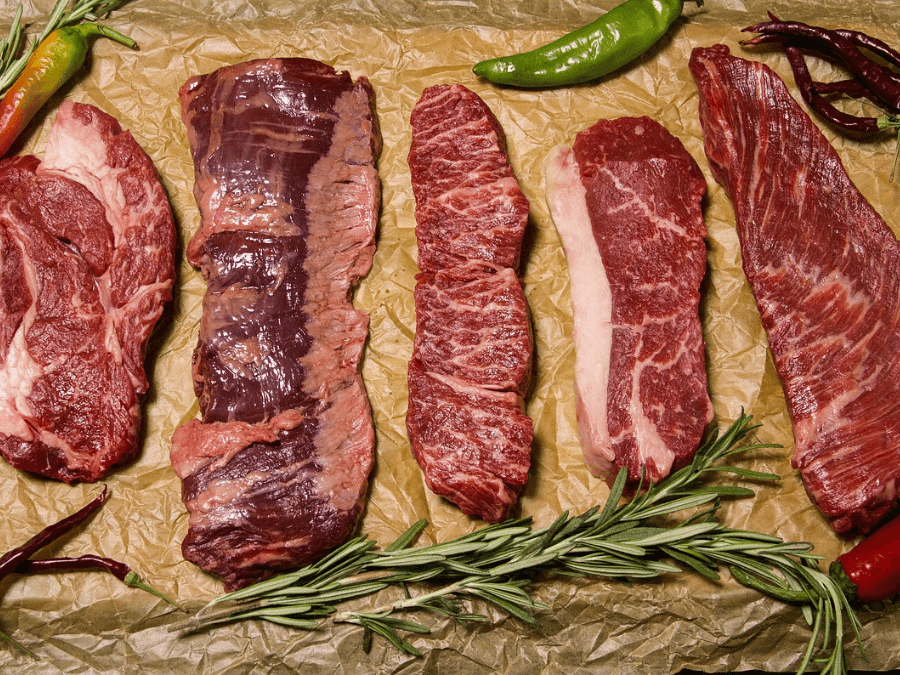
There are so many other delicious cuts of beef to enjoy. You can really barbecue any cut in the Korean style, even if you don’t have access to an Asian market. Here are some straightforward recommendations from your local supermarket or butcher shop:
Skirt Steak
In Korea, skirt steak is considered a specialty cut and can be more expensive, but it’s generally more affordable in the U.S. Its chewy texture and bold flavor make it a popular choice for grilling. If you’re looking to try something unique, give skirt steak a shot.
Ribeye (Kkotdeungsim)
Often referred to as the “queen of beef,” ribeye is a premium cut that can be a bit pricey if you’re cooking for a crowd. But the flavor is worth it for a special occasion. Just buy a regular steak cut, freeze it slightly, and slice it against the grain for that authentic Korean BBQ taste.
Sirloin
For those who prefer a leaner taste, sirloin is a great option. It’s less fatty than ribeye, but still has enough marbling to deliver a delicious, tender bite. Plus, it’s often on sale at Whole Foods.
New York Strip
Think of the New York Strip as a middle ground between ribeye and sirloin—moderate price, moderate fat content. A solid choice for a well-balanced grilling experience.
Don’t Forget Chicken
Chicken may not be the first thing that comes to mind for Korean BBQ, but it can be a delicious addition:
Chicken Thighs
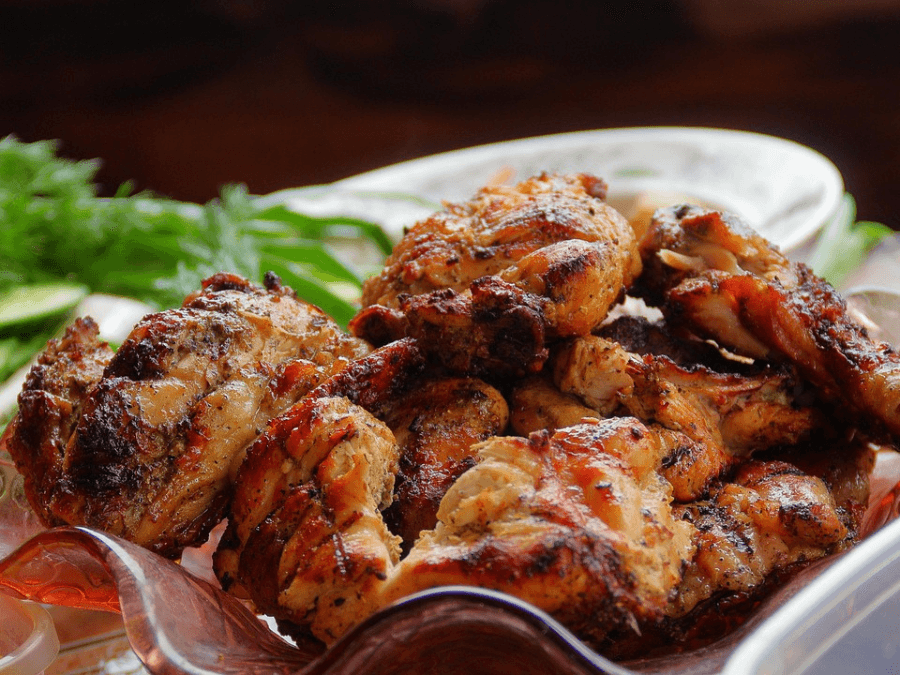
When it comes to chicken, my go-to choice is boneless chicken thighs. You can find them at just about any supermarket, and grilling them is simple yet rewarding. Once you throw them on the grill, the juices burst out, making every bite tender and flavorful.
Why It’s Popular
Chicken thighs are juicier and more flavorful than chicken breast. They absorb marinades well, making them a great choice for Korean cooking.
How to Prepare
Grilled chicken thighs are a classic choice for Korean BBQ, delivering juicy, tender bites every time.
While delicious when grilled plain, they shine even more when paired with gochujang-based marinades, which infuse the meat with a spicy, slightly sweet flavor.
For more details on sauces and marinades, check out this guide.
Grilling-Friendly Foods to Try with Korean BBQ
Korean BBQ isn’t just about meat. You can also grill a variety of other ingredients to enhance the meal and provide options for everyone. The most common items to grill alongside your meat are mushrooms, kimchi, and garlic. Here are some additional foods you might want to try grilling. Popular choices include:
Mushrooms
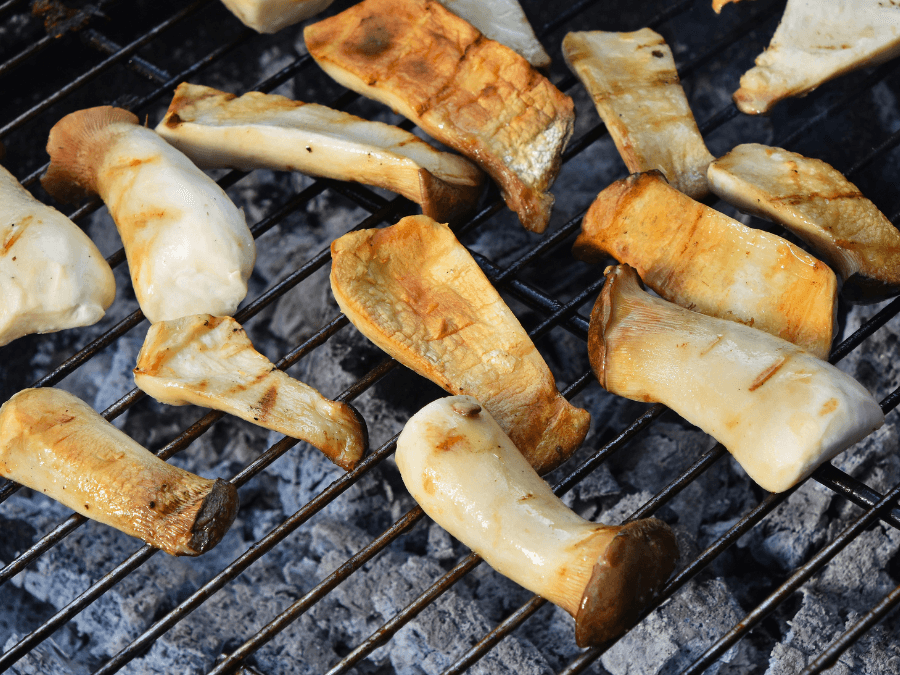
Shiitake, oyster, and enoki mushrooms grill quickly and add a delicious, smoky flavor.
Kimchi
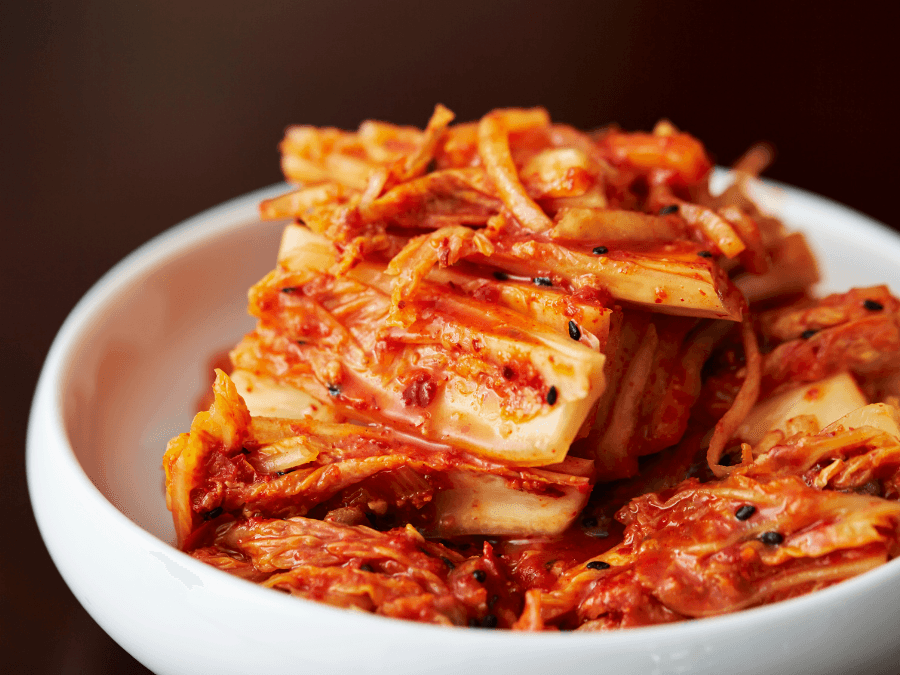
While kimchi is often served cold, lightly grilling it brings out its tangy, umami notes and adds a unique twist to the meal. When combined with the pork’s fat and grilled to perfection, it’s so flavorful you’ll find yourself going back for another bowl of rice.
Sesame Oil with Garlic
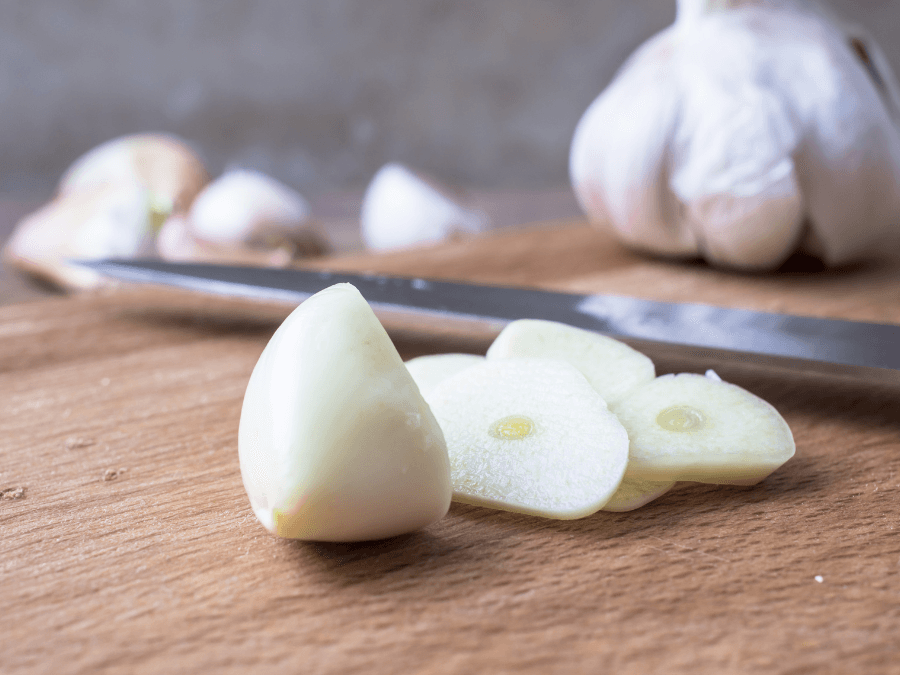
Sliced garlic is a classic addition to Korean BBQ. Grilling the garlic alongside the meat or in a small stainless steel cup with sesame oil is very common in Korea. Try adding a piece of grilled garlic to your lettuce wrap—it might become your new favorite topping.
Tofu
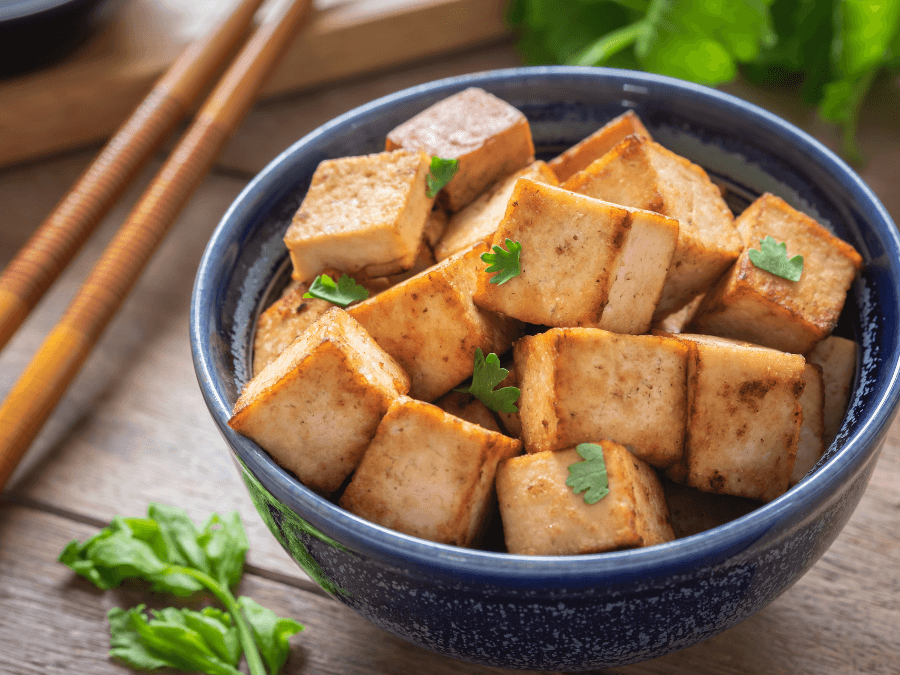
For those who don’t eat meat, tofu makes a great protein alternative. It pairs wonderfully with Korean BBQ sauces. Just slice it up and grill it for a few minutes alongside the meat.
Queso Blanco Cheese
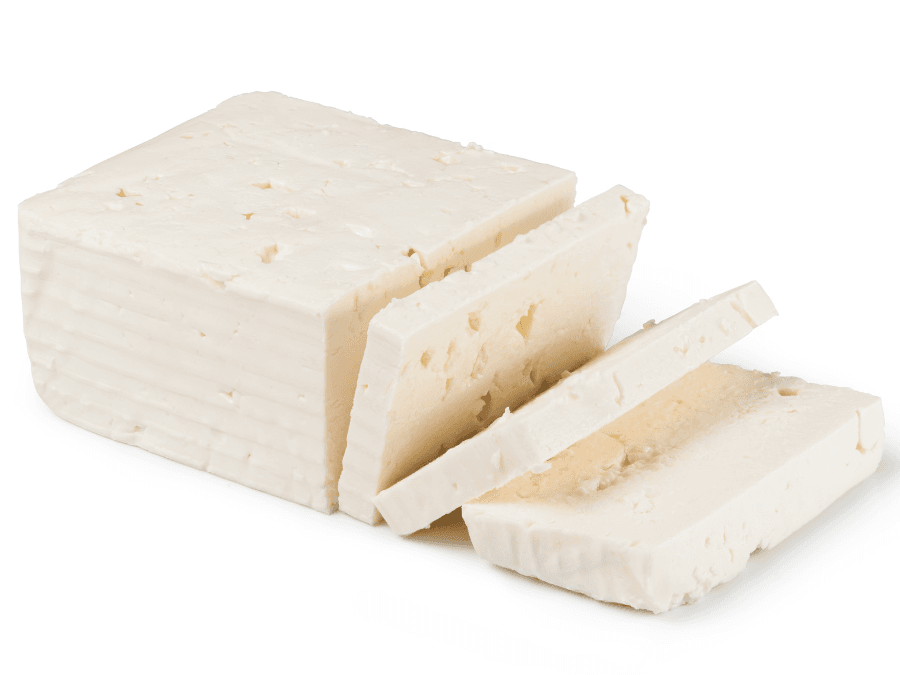
Queso blanco cheese is an excellent choice for grilling. Known for its mild, milky flavor and slightly firm texture, it holds up well on the grill without melting into a liquid mess.
As it heats up, queso blanco develops a deliciously crisp exterior while staying soft and creamy inside, making it a crowd-pleasing addition to any Korean BBQ spread.
Zucchini
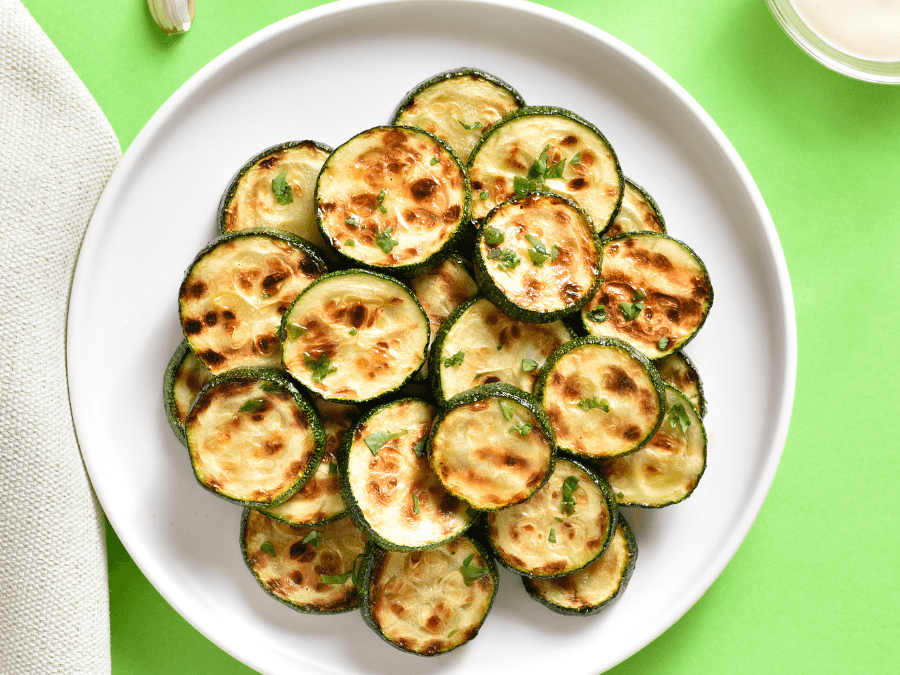
Sliced zucchini is perfect for grilling. It becomes slightly charred on the outside and tender inside, adding a fresh, slightly sweet taste.
Potatoes and Sweet Potatoes
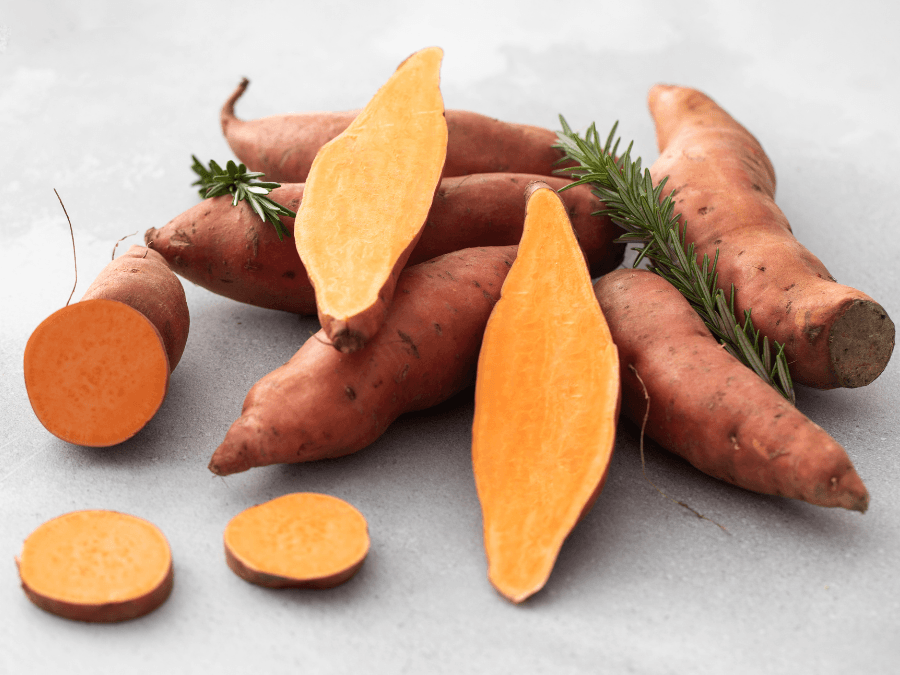
Pre-cooked or thinly sliced, these make a hearty addition to the grill. Sweet potatoes, in particular, become caramelized and rich when grilled.
Essential Korean BBQ Sauce
No Korean BBQ experience is complete without the right sauces. Here are some essential ones you’ll find on any Korean barbecue table:
Ssamjang

A savory and slightly spicy paste made from soybean paste (doenjang), chili paste (gochujang), sesame oil, garlic, and other seasonings. It’s perfect for wrapping with meat and lettuce.
Gochujang

A spicy chili paste that adds a bold, fiery kick to your grilled meats.
Sesame Oil Dip

A simple blend of sesame oil, salt, and pepper that enhances the natural flavors of meat without overpowering them.
Salt & Pepper

Sometimes the simplest combination is all you need—a dash of salt and freshly ground pepper brings out the best in high-quality cuts.
If you want to learn more about each of these sauces and how to make or serve them, check out this article: Essential Korean BBQ Sauces Guide.
Other Vegetables to Serve with Sauces
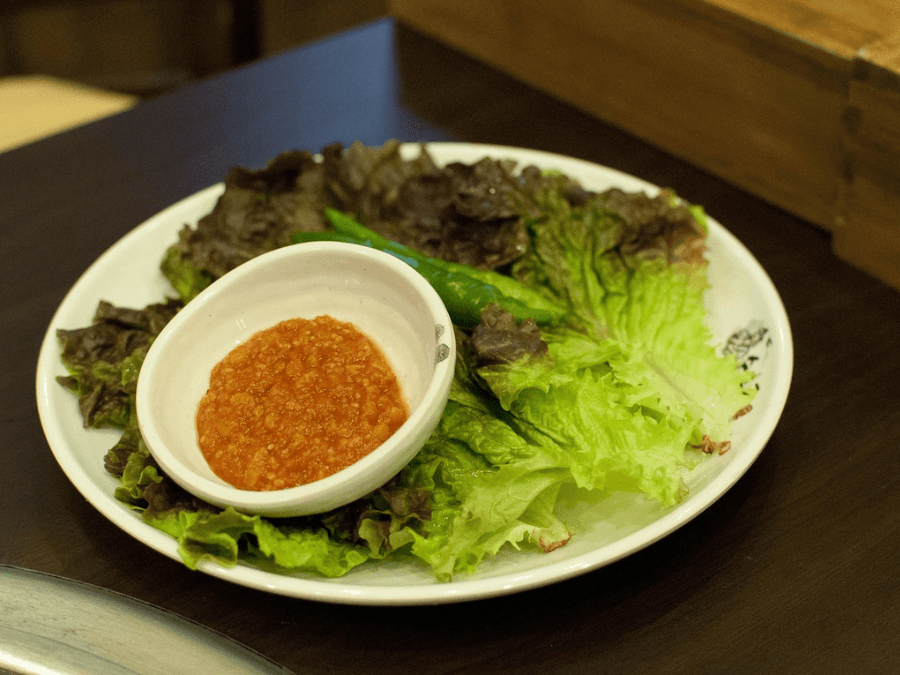
When it comes to Korean BBQ, it’s not just about the sauces and meats—adding fresh, crunchy vegetables can elevate the experience. Popular wrapping (Ssam 쌈) and dipping options include:
Lettuce
Crisp and refreshing, perfect for wrapping up grilled meats and a dollop of ssamjang.
Perilla Leaves
An herbaceous, slightly minty leaf that complements the bold flavors of grilled cuts.
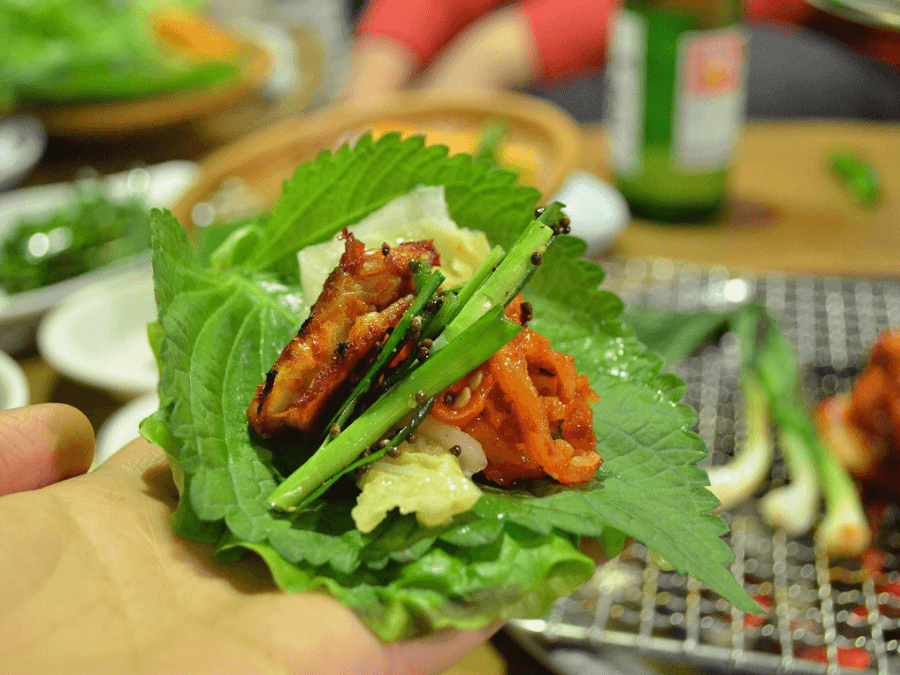
Cucumber
Cool, crunchy cucumber sticks offer a great contrast to smoky, juicy meats.
Carrot
Slightly sweet and crisp, carrots add a fresh, colorful element.
Thinly Sliced Garlic
Lightly grilling garlic slices or serving them raw gives your wrap an extra kick. You can grill it for added flavor or simply enjoy it raw, as is often done.

Thinly Sliced Jalapeños
For those who love a spicy kick, these peppers add just the right amount of heat.
These vegetables not only balance the rich, savory flavors of the meat but also make every bite feel more refreshing and satisfying.
Korean BBQ Side Dishes to Try
To complement the bold flavors of Korean BBQ, it’s always a good idea to have a variety of side dishes on hand. Here are a few classic and easy-to-make options:
Kimchi
The tangy, spicy kick of fermented cabbage or radishes is a staple at any Korean barbecue meal.
Soybean Sprouts (Kongnamul Muchim)

Lightly seasoned and steamed, this side dish provides a crisp, nutty contrast to the smoky meat. A traditional Korean side dish, bean sprouts can be lightly seasoned and grilled for a warm, nutty flavor. Just like kimchi, it’s delicious served cold as a side dish, but it’s also a delightful treat when grilled alongside your meats.
Green Onion Salad (Pa Muchim)
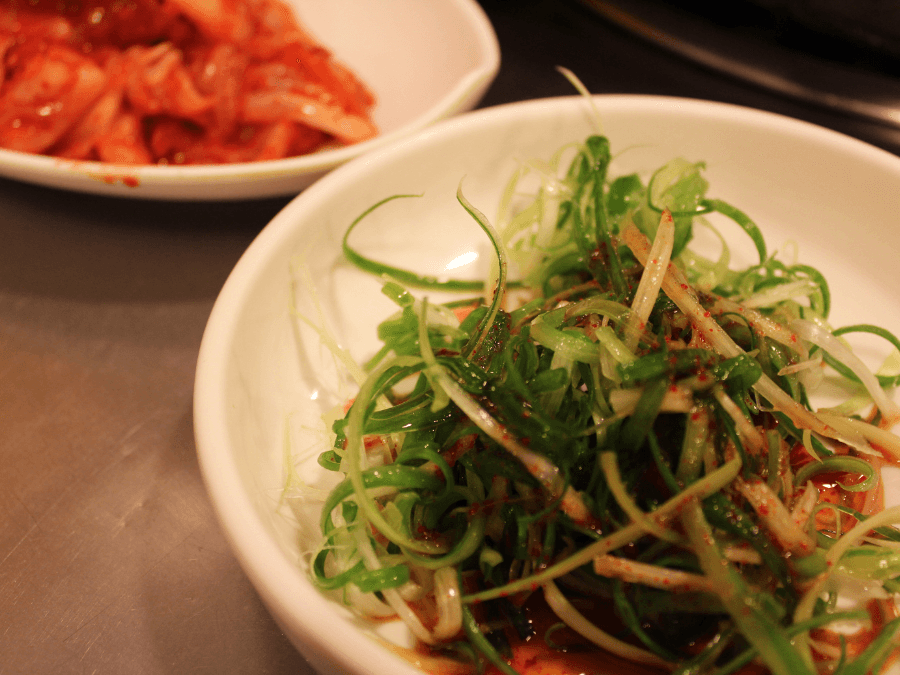
Thinly sliced green onions mixed with sesame oil, soy sauce, and red pepper flakes offer a fresh, zesty balance.
Simple Lettuce Salad:
Toss lettuce with sesame oil, soy sauce, and a dash of vinegar for a quick, refreshing accompaniment.
Pickled Onions
Thinly sliced onions soaked in a mixture of soy sauce, vinegar, and sugar create a sweet-and-sour pairing that’s hard to resist.
If you’d like to learn more, check out our detailed article on Korean BBQ side dishes.
Tips for Your First Korean BBQ
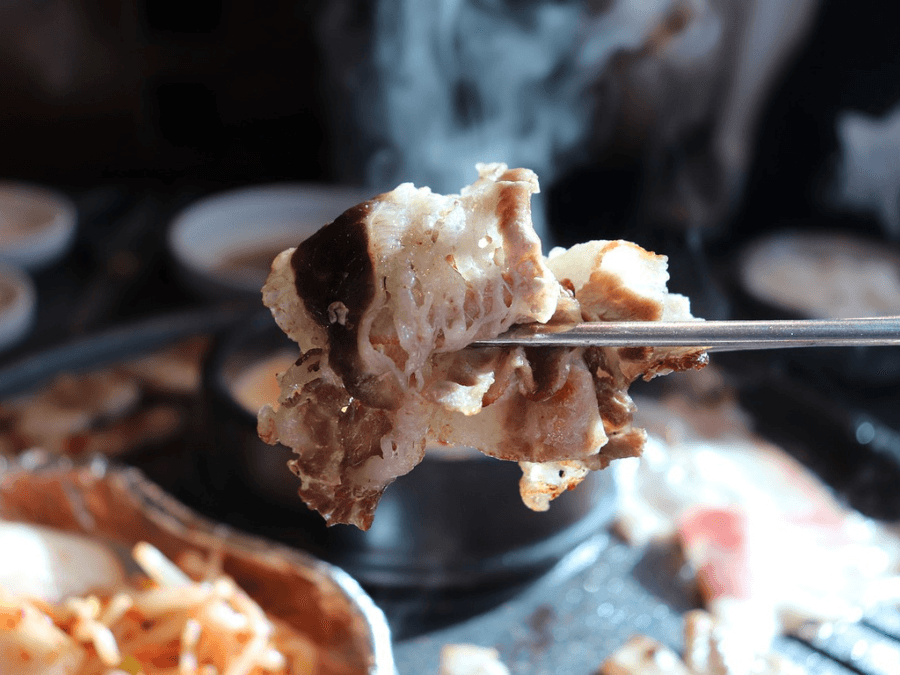
If this is your first time trying Korean BBQ, here are a few tips to ensure a great experience:
Start with the Basics
Stick to well-known cuts like pork belly and short ribs. They’re easy to grill and widely available at most grocery stores.
Use the Right Heat
Korean BBQ relies on high heat to quickly sear and caramelize the meat. Make sure your grill is hot before adding the cuts.
Don’t Overcook
Keep an eye on the meat and flip it often. Overcooking can make the meat tough, so pull it off the grill when it’s still juicy.
Here are some beginner-friendly Korean BBQ guides. If you have more questions, check them out!
Conclusion
Korean BBQ is all about the meat, and choosing the right cuts can elevate your grilling experience.
From the tender layers of pork belly to the savory, marinated short ribs, these meats bring bold flavors and juicy textures to your table.
By pairing them with classic side dishes and dipping sauces, you’ll create a meal that’s as fun to make as it is to eat.
So next time you head to your local grocery store, remember these popular cuts, and get ready to impress your friends and family with a memorable Korean BBQ feast!
FAQs About Korean BBQ Meats
- 1. What are the most popular cuts of meat for Korean BBQ?
- 2. Where can I buy Korean BBQ meats?
- 3. How do I know if I’m choosing the right cut of meat?
- 4. Can I marinate the meat ahead of time?
- 5. How do I slice meat for Korean BBQ at home?
- 6. What’s the best way to serve Korean BBQ meats?
- 7. What side dishes go well with Korean BBQ meats?
- 8. Can I cook Korean BBQ meats indoors?
- 9. How can I tell if the meat is done cooking?
- 10. Is Korean BBQ only about beef and pork?
1. What are the most popular cuts of meat for Korean BBQ?
Pork belly, short ribs, and beef brisket are among the most popular cuts due to their rich flavors and versatility.
2. Where can I buy Korean BBQ meats?
You can find them at Korean grocery stores, Asian supermarkets, or local butchers who carry high-quality beef and pork cuts.
3. How do I know if I’m choosing the right cut of meat?
Look for well-marbled meats for a tender texture and rich flavor. Also, consider the cooking style—quick grilling cuts like brisket are thinner, while slow-cooked options like short ribs may be thicker.
4. Can I marinate the meat ahead of time?
Yes, many Korean BBQ cuts benefit from a long marination period. Short ribs, for example, are often marinated overnight to enhance flavor.
5. How do I slice meat for Korean BBQ at home?
Thin slicing is key. Freeze the meat slightly to make it easier to cut thin, uniform slices. This ensures even cooking and a tender bite.
6. What’s the best way to serve Korean BBQ meats?
Serve the meats hot off the grill with dipping sauces, lettuce wraps, and side dishes like kimchi. Having individual portions and plenty of accompaniments adds to the overall experience.
7. What side dishes go well with Korean BBQ meats?
Classic sides include lettuce wraps, kimchi, pickled radishes, steamed rice, and soybean paste soup. These complement the rich, grilled flavors.
8. Can I cook Korean BBQ meats indoors?
Yes! You can use a stovetop grill pan or an electric Korean BBQ grill indoors. Just ensure proper ventilation and keep the heat high for a smoky, authentic flavor.
9. How can I tell if the meat is done cooking?
Check for a good sear and caramelization on the outside. For beef, a slight pink center can indicate it’s still juicy, while pork should be fully cooked through.
10. Is Korean BBQ only about beef and pork?
Not at all. While beef and pork cuts are popular, chicken, seafood, and even vegetarian options like mushrooms and tofu are also common.
No Korean BBQ is complete without the right accompaniments. Here are some essential side dishes and sauces to enhance your meal:
- Lettuce Wraps: Wrap the grilled meat with lettuce leaves, add a dollop of soybean paste, and top with green onions for a classic bite.
- Soybean Paste (Doenjang): A savory and slightly salty condiment that enhances the meat’s natural flavors.
- Sesame Oil Dipping Sauce: A simple mix of sesame oil, salt, and pepper that brings out the rich taste of the meats.
- Kimchi: Fermented vegetables that provide a spicy, tangy contrast to the grilled flavors.